Murdoku difficulty guide
Murdoku Difficulty Levels: Very Easy to Expert
The current Murdoku web catalog groups cases as Very Easy, Easy, Medium, Hard, and Expert. Use those labels to choose a useful next challenge, but treat them as a guide rather than a permanent rulebook.
- Current catalog snapshot
- Very Easy, Easy, Medium, Hard, and Expert
- Current Expert signal
- 16×16 boards in the catalog snapshot
- Best progression
- Move up when you can explain each deduction
What Murdoku difficulty labels do—and do not—tell you
The official web catalog currently displays five difficulty labels: Very Easy, Easy, Medium, Hard, and Expert. They are a practical way to filter the next case, not a promise that every puzzle in one tier asks for the same move sequence.
Board dimensions, clue wording, room layout, and the number of useful deductions available at once can all change how a case feels. The tier descriptions on this page are therefore a current web catalog snapshot, not a permanent rule about every future Murdoku case or printed edition.
Very Easy and Easy: make the board language automatic
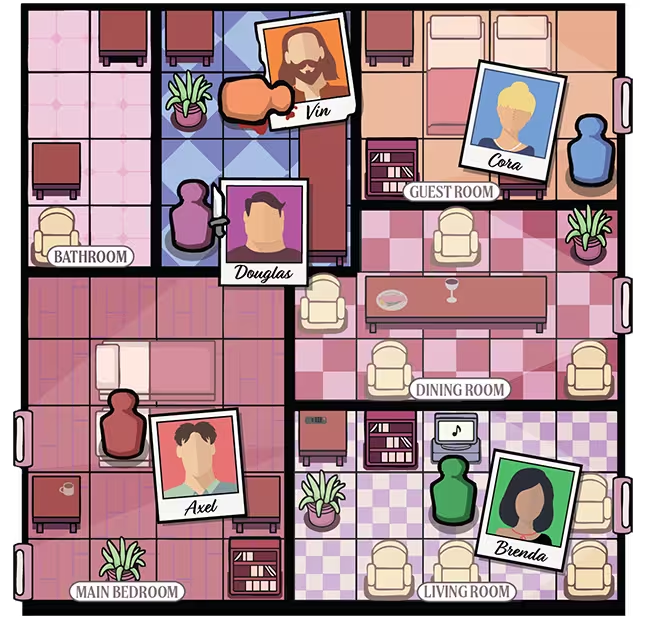
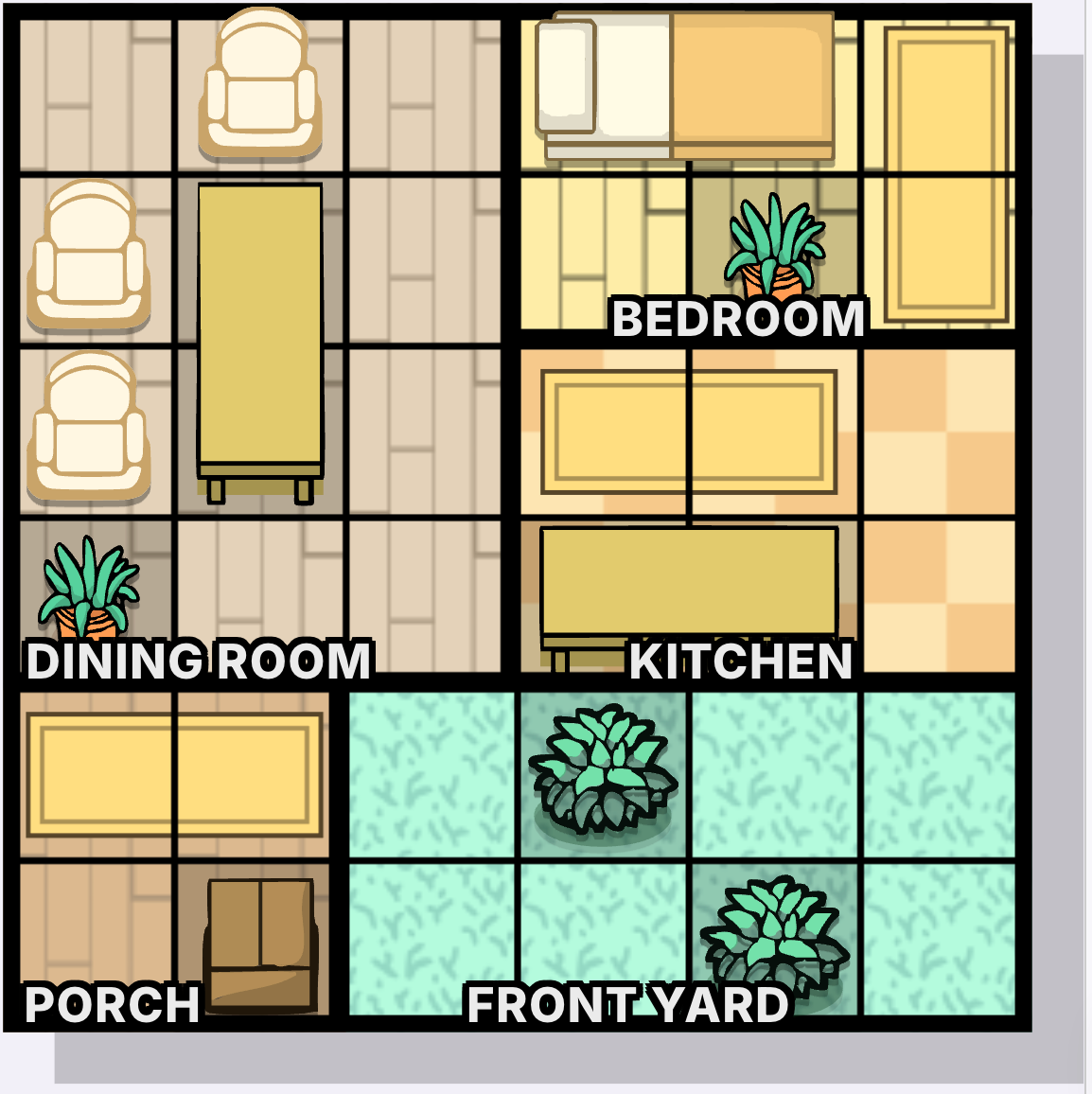
Very Easy and Easy cases are the right place to turn the basic board language into habit: one person per row and column, direct clue placement, elimination, and checking the crime-scene map before committing a move. The 24-Hour Delivery board below is an example currently listed under Very Easy in the web catalog.
Do not rush through this stage just because the board is smaller. The useful test is whether you can say why a placement is forced, rather than merely noticing that it happens to fit.
- Read every row and column restriction before placing a suspect.
- Separate a confirmed placement from a possibility you have not proved yet.
- Use a restart as a learning tool when an early assumption creates a contradiction.
Medium and Hard: turn clues into a deduction chain
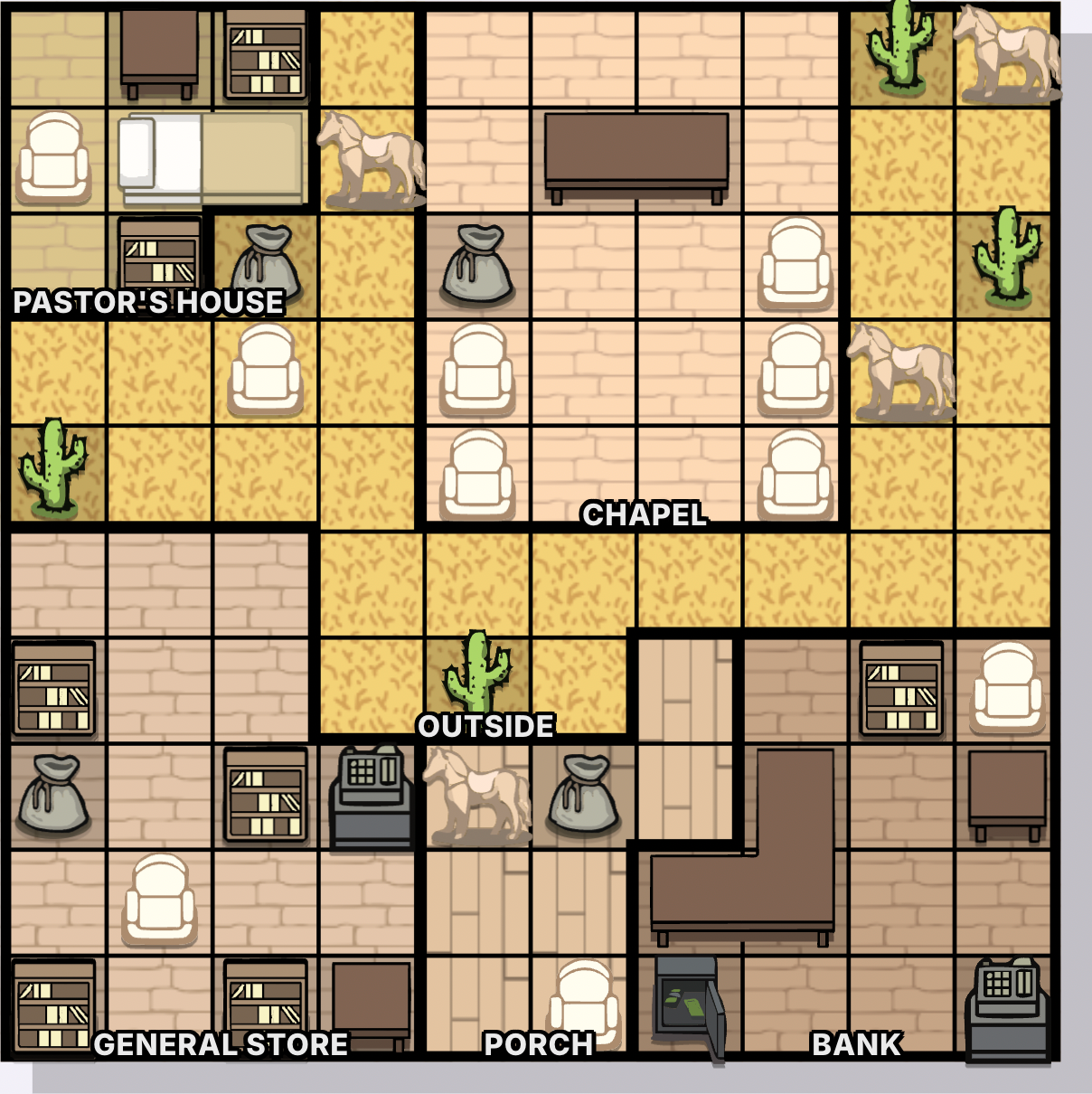
Medium and Hard cases increasingly reward keeping several constraints in view together. A clue may not place a suspect immediately, yet it can remove one room, narrow another row, and become decisive after a second clue is applied.
The Frontier Town image is a current Hard-catalog example. Its value here is not that every Hard case looks identical; it shows the kind of larger working area where organized notes, candidate elimination, and deliberate re-checking prevent guesswork.
Expert: 16×16 is a scale signal, not a finish line
In the current official web catalog snapshot, Expert cases use 16×16 boards. That is a useful signal that the solving surface is large, but it is not a permanent guarantee about all future Expert cases or every Murdoku format.
For an Expert attempt, aim to keep a clean audit trail: record what a clue rules out, revisit earlier rows after a new placement, and pause before converting a plausible pattern into a final answer. Larger boards reward accuracy more than speed.
Choose the next case by the skill you want to practice
A difficulty label is most useful when it matches a concrete learning goal. If a tier feels unexpectedly hard, step back one level or choose another case in the same tier; neither choice means you are solving incorrectly.
| If you want to… | Try first | Practice deliberately |
|---|---|---|
| Learn the board language | Very Easy | Explain every row, column, and direct-clue placement. |
| Stop making early assumptions | Easy or Medium | Mark possibilities separately from forced moves. |
| Follow longer logic chains | Medium or Hard | Re-check a clue after every meaningful elimination. |
| Handle a large working area | Expert when ready | Keep an organized note trail instead of solving from memory. |
Murdoku difficulty levels FAQ
How many Murdoku difficulty levels are there?
The current official web catalog shows five: Very Easy, Easy, Medium, Hard, and Expert. Check the live catalog because labels and available cases can change.
Is every 16×16 Murdoku case Expert?
The current catalog snapshot uses 16×16 boards for its Expert cases. That describes the catalog checked for this guide, not a universal rule for every future case or format.
Should I complete every Easy case before Medium?
No. Move on when you can justify your placements and recover from a contradiction without relying on blind guesses. It is also fine to return to an easier case to practice one skill.
Why can a smaller Murdoku board still feel difficult?
Difficulty is not just board size. The arrangement of clues, rooms, and available eliminations can make a compact case require careful reasoning.
Related Murdoku guides
Sources checked
- Official Murdoku web puzzle catalog
- The Art School printable Murdoku PDF
- The Hiking Trip printable Murdoku PDF
- The Movie Studio printable Murdoku PDF
This independent guide describes a current web catalog snapshot. Murdoku case availability, labels, dimensions, and formats may change; confirm the live official catalog before making a choice.